

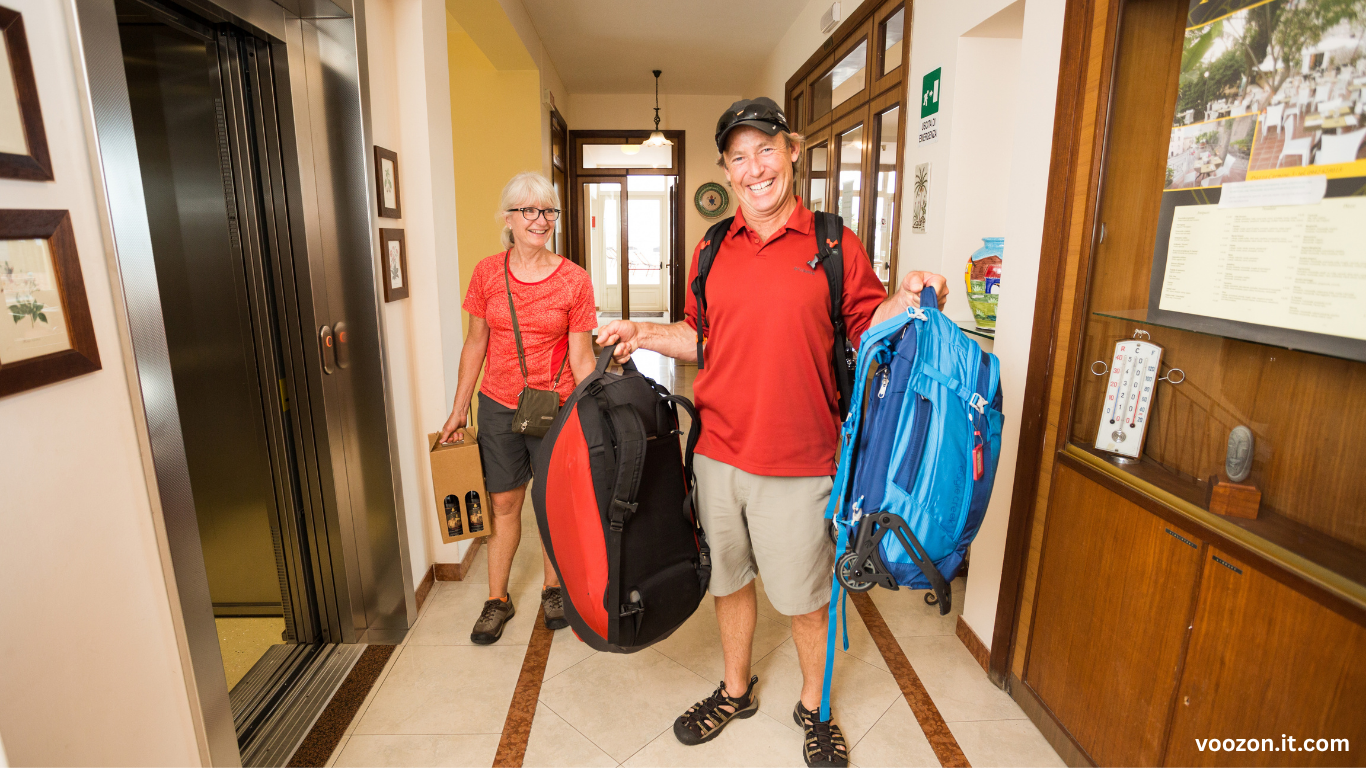
Traveling through Europe for three weeks had been a dream for years. The plan was simple: visit several countries, explore historic cities, enjoy local culture, and make unforgettable memories. We spent months researching destinations, booking accommodations, and planning our itinerary. However, despite all our preparation, there was one piece of travel advice we ignored—and it came back to haunt us halfway through the journey.
That advice was from renowned travel expert Rick Steves, who has spent decades helping travelers navigate Europe efficiently. His most famous recommendation is surprisingly simple: pack light.
At first, we thought we knew better. Three weeks seemed like a long time, and we wanted to be prepared for every possible situation. By the middle of our trip, however, we realized Rick Steves was absolutely right.
The Packing Mistake We Didn’t See Coming
Before leaving, we carefully packed our suitcases with everything we thought we might need. We brought multiple pairs of shoes, extra jackets, outfits for different occasions, travel gadgets, books, and various “just in case” items.
Each suitcase weighed close to the airline’s maximum allowance.
At home, this seemed like a smart decision. After all, Europe offers diverse climates and activities. We wanted options.
The reality became clear as soon as we landed.
Dragging heavy luggage through crowded airports, train stations, and city streets quickly turned into a frustrating experience. Many European cities feature cobblestone roads, narrow sidewalks, and older buildings without elevators.
Every transfer became a workout.
What seemed manageable in the airport became exhausting after several days of constant movement.
Read more: JetBlue Says It’s Cutting These 11 Routes as It Focuses More on Florida
Europe’s Infrastructure Favors Light Travelers
One thing many first-time visitors underestimate is how different European travel can be from traveling in other parts of the world.
European transportation systems are excellent, but they often require travelers to carry their own luggage over stairs, platforms, and long walking distances.
In cities like Paris, Rome, Amsterdam, and Prague, train stations can involve multiple levels without escalators. Historic hotels and guesthouses frequently occupy centuries-old buildings where elevators are either tiny or nonexistent.
During our trip, we found ourselves repeatedly hauling heavy suitcases up flights of stairs.
At one hotel, our room was located on the fourth floor of a charming historic building. There was no elevator. Carrying our oversized bags up narrow staircases after a long travel day was a moment we’ll never forget.
That was when Rick Steves’ advice started making a lot more sense.
The Hidden Costs of Overpacking
Most travelers think overpacking only creates physical inconvenience. In reality, it can also affect your budget.
Many European airlines have strict baggage restrictions. Low-cost carriers often charge extra fees for checked luggage, oversized bags, and overweight suitcases.
We encountered several situations where baggage fees added unexpected costs to our travel budget.
In addition, larger bags limited our flexibility. Instead of walking to nearby accommodations, we sometimes had to take taxis simply because carrying our luggage over long distances wasn’t practical.
Those transportation costs added up quickly.
Packing light could have saved us money throughout the trip.
We Only Used Half of What We Packed
Halfway through our journey, we conducted an honest review of our luggage.
The results were surprising.
Several outfits had never been worn. Extra shoes remained untouched. Some travel accessories stayed buried in our suitcases from the day we arrived.
We had packed for every possible scenario instead of focusing on what we actually needed.
Rick Steves often recommends bringing versatile clothing that can be mixed and matched. Looking back, that approach would have worked perfectly.
Most travelers naturally rotate through their favorite comfortable clothes regardless of how many options they bring.
Our experience was no different.
Laundry Is Easier Than You Think
One reason we packed so heavily was concern about running out of clean clothes.
We assumed doing laundry while traveling would be difficult.
It wasn’t.
Throughout Europe, we discovered laundromats, hotel laundry services, and apartment washing machines. Many accommodations offered convenient laundry facilities that made it easy to refresh our wardrobe.
A single laundry session halfway through the trip would have allowed us to pack significantly fewer clothes.
Instead of carrying three weeks’ worth of outfits, we could have packed enough for one week and washed items as needed.
This realization was one of the biggest lessons from our journey.
Mobility Equals Freedom
Perhaps the greatest advantage of traveling light is freedom.
As our trip progressed, we noticed other travelers effortlessly navigating train stations and city centers with compact carry-on bags.
They moved faster, changed plans more easily, and appeared far less stressed than we were.
Meanwhile, every decision we made was influenced by our luggage.
Could we walk to the hotel?
Would there be storage lockers available?
How far was the train platform?
Was there an elevator?
Heavy luggage became a constant factor in our travel planning.
When you’re carrying less, spontaneous adventures become much easier.
You can hop on a train, explore a neighborhood, or change accommodations without worrying about managing oversized bags.
The Psychological Weight of Too Much Stuff
The burden of overpacking isn’t only physical.
There is also a mental component.
Managing multiple bags requires constant attention. You worry about losing items, keeping track of belongings, and organizing everything during each hotel change.
We spent more time packing and unpacking than expected.
Every move to a new destination involved sorting clothes, charging electronics, repacking accessories, and checking that nothing had been left behind.
Travel is supposed to be about experiences.
The more possessions you carry, the more energy you devote to managing them.
Packing light simplifies the entire travel experience.
What Rick Steves Gets Right
Rick Steves has long advocated for carry-on-only travel, and after our experience, we understand why.
His philosophy focuses on mobility, simplicity, and flexibility.
Instead of packing for every possibility, he encourages travelers to bring versatile essentials.
His recommendations typically include:
- Comfortable walking shoes
- Lightweight clothing layers
- A compact travel bag
- Minimal electronics
- Multi-purpose clothing items
- Essential toiletries only
The goal is not deprivation.
The goal is efficiency.
By carrying less, travelers can focus more on the journey itself.
After three weeks in Europe, we became believers in this approach.
What We Would Pack Differently Next Time
If we were planning the same trip again, our packing list would look dramatically different.
We would bring:
Fewer Clothes
A week’s worth of versatile clothing is enough for most European trips. Laundry facilities are widely available.
One Pair of Comfortable Walking Shoes
Europe often involves extensive walking. One excellent pair of shoes is better than several mediocre options.
Lightweight Layers
Instead of multiple bulky jackets, layering clothing provides flexibility for changing weather conditions.
Fewer Gadgets
Most travelers can manage with a smartphone, charger, and perhaps one additional device.
Smaller Bags
A carry-on suitcase and personal backpack would likely meet all our needs.
Lessons Learned for Future Trips
Travel often teaches lessons that guide future adventures.
For us, the biggest lesson was that convenience and mobility matter more than having endless options.
The memories we treasure most from Europe involve exploring beautiful cities, meeting new people, enjoying local cuisine, and experiencing different cultures.
None of those moments required extra shoes, additional outfits, or bulky luggage.
In fact, those items frequently made the journey more difficult.
The best travel experiences often come from simplicity.
Why Packing Light Improves Travel
Packing light offers benefits beyond convenience:
- Easier transportation
- Lower baggage fees
- Greater flexibility
- Reduced stress
- Faster airport navigation
- Simpler hotel check-ins
- More spontaneous travel opportunities
- Less physical exhaustion
These advantages become increasingly valuable on longer trips.
For travelers visiting multiple destinations, mobility can significantly improve the overall experience.
Why does Rick Steves recommend packing light for Europe?
Rick Steves recommends packing light because European travel often involves walking on cobblestone streets, using public transportation, climbing stairs, and staying in older buildings that may not have elevators. Traveling with less luggage makes the journey much easier and more enjoyable.
Frequently Asked Question
How many clothes should I pack for a three-week trip to Europe?
A week’s worth of versatile clothing is usually enough. Most travelers can wash clothes during their trip using hotel laundry services, laundromats, or apartment washing machines, reducing the need to pack excessive outfits.
Is it possible to travel through Europe with only a carry-on bag?
Yes. Many experienced travelers successfully explore Europe with only a carry-on suitcase and a small backpack. This approach saves time, reduces baggage fees, and provides greater flexibility when moving between destinations.
What are the biggest disadvantages of overpacking?
Overpacking can lead to physical strain, higher airline baggage fees, difficulty navigating train stations and city streets, increased transportation costs, and additional stress from managing multiple bags throughout the trip.
What are the most important items to pack for a European vacation?
The essentials include comfortable walking shoes, versatile clothing layers, travel documents, a smartphone and charger, basic toiletries, medications, and a lightweight bag. Prioritizing practical and multi-purpose items helps travelers stay comfortable while keeping luggage manageable.
Final Thoughts
Three weeks in Europe provided incredible memories, breathtaking sights, and valuable travel lessons. Among those lessons, one stands out above all others: Rick Steves’ packing advice is worth following. At the beginning of the trip, we believed more preparation meant bringing more stuff. By the halfway point, we understood that effective travel isn’t about carrying everything you might need—it’s about carrying only what you truly need.
