
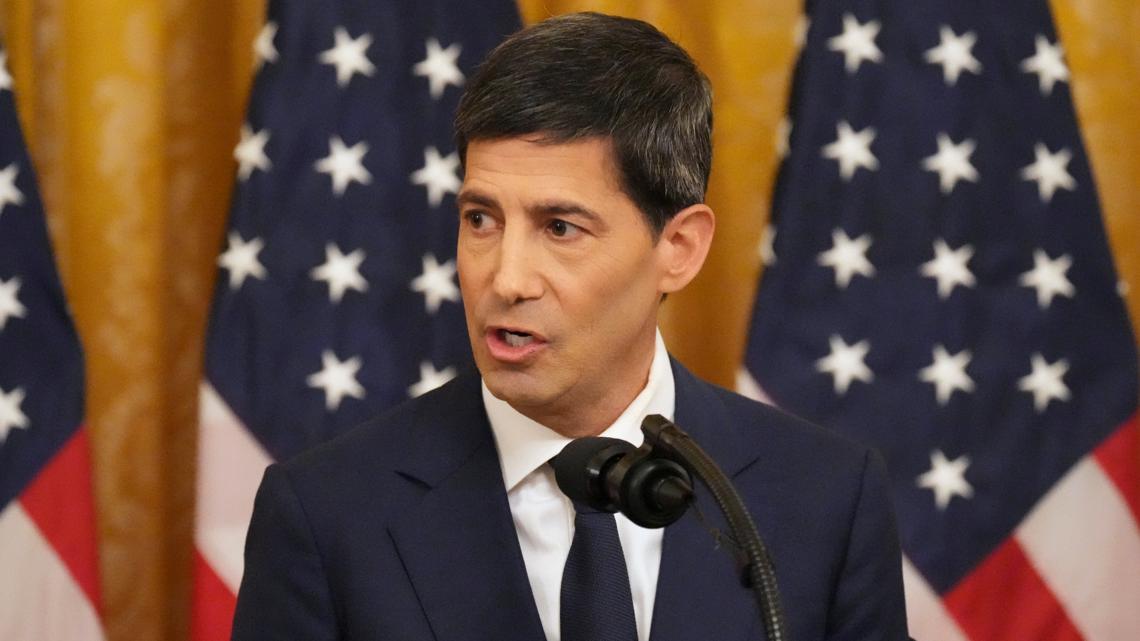
Appointment of a new Federal Reserve Chair is one of the most significant events in global finance. Financial markets closely analyze every statement, policy signal, and economic outlook delivered by the person responsible for guiding the United States monetary policy. If Kevin Warsh assumes the role of Federal Reserve Chair, his first press conference will become a major focus for investors, economists, businesses, and policymakers worldwide.
As a former Federal Reserve Governor and a respected voice in economic policy discussions, Warsh brings a distinct perspective to the central bank. Markets will be eager to understand how his leadership style differs from previous Fed Chairs and what direction he intends to take regarding interest rates, inflation, employment, and financial stability.
While every word from a new Fed Chair carries weight, investors should pay special attention to three critical areas during Kevin Warsh’s first press conference. These factors could shape market expectations for months or even years ahead.
Why the First Fed Chair Press Conference Matters
The Federal Reserve plays a central role in maintaining economic stability in the United States. Through monetary policy tools such as interest rate adjustments and balance sheet management, the Fed influences borrowing costs, inflation, employment, and overall economic growth.
A new Chair often signals potential shifts in policy priorities or communication strategies. Even if no immediate policy changes are announced, investors look for subtle clues that indicate future decisions.
Kevin Warsh’s first public appearance as Chair would provide an opportunity to answer important questions:
- How concerned is he about inflation?
- What is his outlook on economic growth?
- Will the Fed continue current policies or pursue a different approach?
- How will he respond to potential economic risks?
The answers could affect stocks, bonds, currencies, commodities, and global financial markets.
His Position on Interest Rates
Perhaps the most important issue investors will watch is Kevin Warsh’s stance on interest rates.
Why Interest Rates Matter
Interest rates influence nearly every aspect of the economy:
- Mortgage rates
- Business loans
- Credit card borrowing
- Corporate investments
- Consumer spending
Higher interest rates generally slow economic activity and help reduce inflation. Lower rates encourage borrowing and economic expansion.
As Fed Chair, Warsh would oversee decisions regarding the federal funds rate, the benchmark interest rate that influences broader financial conditions.
Hawkish or Dovish?
Investors often categorize Fed officials as either:
Hawkish: Prioritizing inflation control, even if economic growth slows.
Dovish: Supporting economic growth and employment, even if inflation remains somewhat elevated.
Warsh’s comments during his first press conference could reveal where he falls on this spectrum.
Key Phrases Investors Should Monitor
Market participants will carefully analyze language such as:
- “Inflation remains a significant concern.”
- “Further tightening may be necessary.”
- “Economic activity is moderating.”
- “We are prepared to adjust policy as conditions evolve.”
Even slight differences in wording can trigger substantial market reactions.
Impact on Financial Markets
If Warsh signals a willingness to keep rates higher for longer:
- Treasury yields could rise.
- Stock markets may face pressure.
- Growth-oriented technology stocks could decline.
Conversely, if he suggests future rate cuts are possible:
- Equities may rally.
- Bond prices could increase.
- Investor confidence could strengthen.
His first comments on rates will likely become the primary market-moving element of the entire press conference.
His Strategy for Managing Inflation
The second major issue investors should monitor is Kevin Warsh’s inflation outlook.
Inflation Remains a Core Fed Responsibility
One of the Federal Reserve’s primary mandates is maintaining price stability. Persistent inflation can reduce purchasing power, increase business costs, and create economic uncertainty.
Recent years have demonstrated how inflation can become one of the biggest challenges facing policymakers.
Investors want to know:
- Does Warsh believe inflation is fully under control?
- Does he see risks of inflation returning?
- What indicators is he watching most closely?
- The Importance of Credibility
Financial markets place enormous value on central bank credibility.
If investors believe the Fed is committed to controlling inflation, inflation expectations remain stable. However, if markets perceive a lack of commitment, inflation concerns can quickly intensify.
Warsh’s first press conference offers an opportunity to establish that credibility.
Areas of Focus
Investors should listen for comments regarding:
Labor Market Pressures
Strong wage growth can sometimes contribute to inflation.
Warsh may discuss:
- Employment trends
- Labor shortages
- Wage growth sustainability
- Consumer Spending
Robust consumer demand can keep prices elevated.
Investors will evaluate whether Warsh views consumer spending as:
- A source of economic strength
- A potential inflationary risk
- Supply Chain Conditions
Although supply chain disruptions have eased compared to previous years, global risks remain.
Warsh may address:
- International trade challenges
- Geopolitical tensions
- Commodity price fluctuations
- Market Implications
If Warsh indicates inflation risks remain elevated:
- Markets may anticipate tighter policy.
- Bond yields could increase.
- Defensive sectors may outperform.
If he expresses confidence that inflation is moving sustainably toward target levels:
- Risk assets may benefit.
- Rate-cut expectations could strengthen.
- Investor sentiment may improve.
His inflation message could become one of the most closely examined aspects of the press conference.
His Vision for Economic Growth and Financial Stability
Beyond rates and inflation, investors will want to understand Kevin Warsh’s broader economic philosophy.
Balancing Growth and Stability
The Federal Reserve faces a constant challenge:
- Support economic growth.
- Maintain price stability.
- Protect financial markets from systemic risks.
A successful Fed Chair must balance these competing objectives.
Economic Growth Outlook
Warsh’s assessment of the U.S. economy will provide valuable insight into future policy decisions.
Investors should pay attention to his views on:
- GDP growth
- Consumer confidence
- Business investment
- Manufacturing activity
- Housing market conditions
A positive outlook could signal confidence in the economy’s resilience.
A cautious outlook may suggest concerns about future slowdowns.
Financial System Risks
The Federal Reserve also plays an important role in safeguarding the financial system.
Warsh may discuss risks involving:
Banking Sector Stability
Investors will want reassurance that banks remain well-capitalized and resilient.
Commercial Real Estate
Commercial property markets continue facing challenges in some regions.
Comments regarding office space demand, refinancing pressures, and banking exposure may attract attention.
Global Economic Risks
International developments often influence U.S. markets.
Potential concerns include:
- Geopolitical conflicts
- Trade disputes
- Global recession risks
- Currency market volatility
- Market Reactions
If Warsh emphasizes economic strength and financial stability:
- Equity markets may respond positively.
- Investor confidence could improve.
- Business sentiment may strengthen.
If he highlights significant risks:
- Markets may become more cautious.
- Volatility could increase.
- Safe-haven assets may gain interest.
Understanding his broader economic vision will help investors gauge the likely direction of future Fed policies.
Additional Signals Investors Should Watch
Although the three primary areas above will dominate attention, several secondary signals may also influence market sentiment.
Communication Style
Federal Reserve Chairs often develop distinct communication approaches.
Investors will evaluate whether Warsh is:
- Transparent and direct
- Data-driven
- Flexible in policy decisions
- Consistent in messaging
Clear communication generally helps reduce market uncertainty.
Policy Framework
Warsh may provide clues about how he intends to approach future policy decisions.
Questions include:
- Will he rely heavily on economic data?
- Will he prioritize inflation control above all else?
- Is he open to policy innovation?
These answers can shape long-term market expectations.
Relationship with Financial Markets
Markets appreciate predictability.
Investors will assess whether Warsh appears committed to maintaining stable communication and avoiding unnecessary surprises.
A predictable Fed often contributes to smoother market functioning.
Potential Winners and Losers Based on His Remarks
Different sectors could react differently depending on Warsh’s message.
If He Appears Hawkish
Potential beneficiaries:
- Financial institutions
- Money market funds
- Short-term Treasury investments
Potential challenges:
- Technology stocks
- Growth-oriented companies
- Real estate sectors
- If He Appears Dovish
Potential beneficiaries:
- Technology companies
- Growth stocks
- Consumer discretionary sectors
- Real estate investments
Potential challenges:
- Inflation-sensitive assets
- Certain fixed-income investments
Investors should remember that market reactions often depend not only on policy decisions but also on expectations.
What This Means for Long-Term Investors
While headlines surrounding a new Fed Chair can create short-term volatility, long-term investors should focus on broader economic fundamentals.
History shows that markets typically adapt to leadership transitions at the Federal Reserve.
Rather than reacting emotionally to every statement, investors may benefit from:
- Maintaining diversification
- Focusing on long-term goals
- Monitoring economic data
- Avoiding impulsive decisions based on short-term market moves
Kevin Warsh’s first press conference will undoubtedly attract significant attention, but sustainable investment success usually depends on disciplined strategies rather than immediate reactions.
Conclusion
Kevin Warsh’s first press conference as Federal Reserve Chair could provide crucial insights into the future direction of U.S. monetary policy. Investors around the world will carefully analyze every statement for clues about interest rates, inflation management, and economic growth prospects. The three most important areas to watch are his position on interest rates, his strategy for controlling inflation, and his broader vision for economic growth and financial stability. Together, these signals will help markets understand how Warsh intends to lead the Federal Reserve and navigate the challenges facing the economy.
