

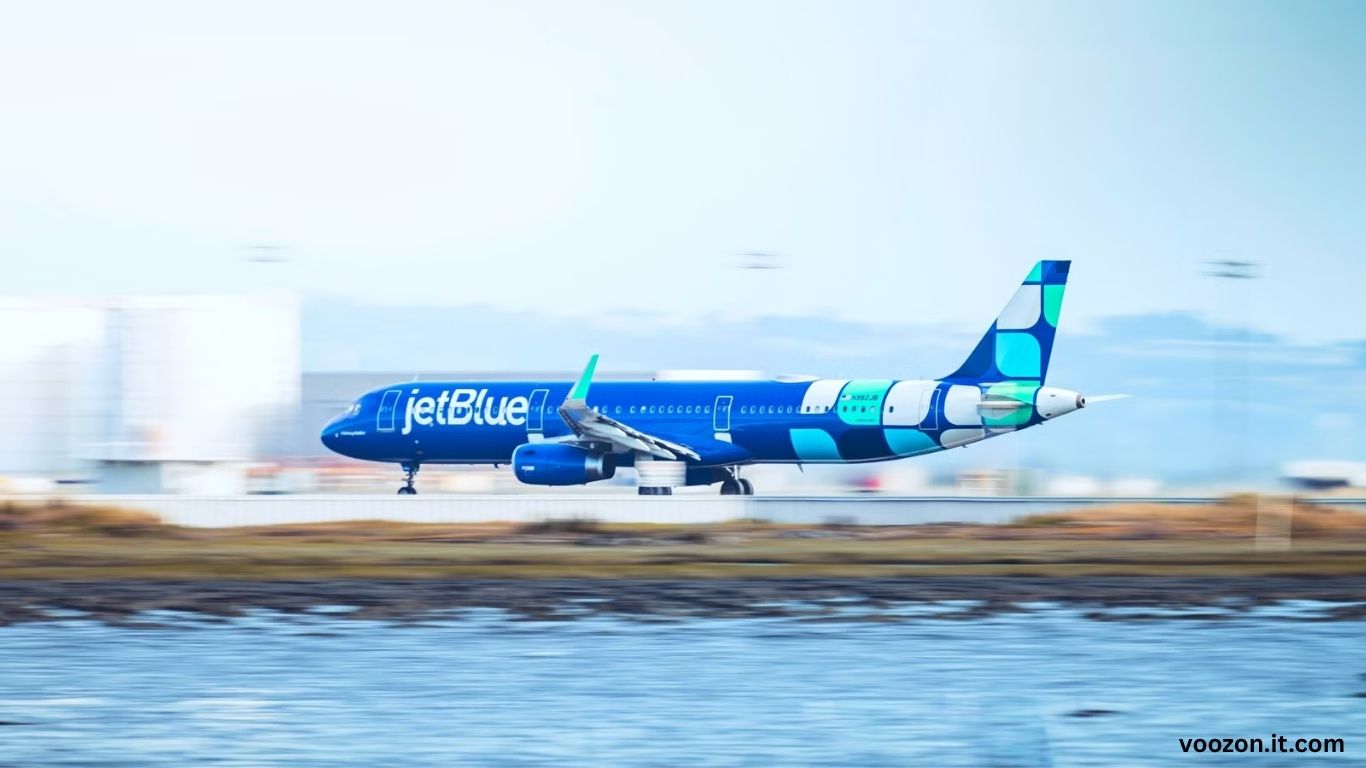
Airline industry is constantly evolving, and carriers often adjust their flight schedules to match customer demand, operational efficiency, and financial goals. Recently, JetBlue Airways announced that it will cut 11 routes as part of a broader strategy to strengthen its presence in Florida and improve profitability.
JetBlue has long been known for offering affordable fares, comfortable seating, free Wi-Fi, and customer-friendly service. However, like many airlines, the company has faced rising operating costs, stronger competition, and shifting passenger demand since the pandemic era.
Why JetBlue Is Cutting Routes
Airlines regularly evaluate route performance to determine whether flights are financially sustainable. If a route consistently experiences low passenger demand or heavy competition, airlines may decide to reduce or eliminate service.
JetBlue stated that the decision to remove certain routes is part of a larger effort to optimize its network. The airline wants to concentrate on destinations where demand remains strong and where it can compete more effectively against larger carriers.
Several factors influenced the decision:
Rising Operating Costs
Fuel prices, airport fees, labor costs, and aircraft maintenance expenses have increased significantly over the past few years. Maintaining underperforming routes can quickly become expensive for airlines.
By cutting weaker routes, JetBlue can redirect resources toward more profitable destinations and reduce operational inefficiencies.
Read more: Future of Aviation May Be This Jetsons-Like Air Taxi: A First Flight Over New York City
Strong Demand for Florida Travel
Florida continues to attract millions of domestic and international travelers every year. Cities such as Orlando, Miami, Fort Lauderdale, Tampa, and West Palm Beach remain among the most popular leisure destinations in America.
JetBlue believes increasing its focus on Florida will help the company capture more demand from vacation travelers, families, and seasonal visitors.
Competitive Pressure
The airline industry remains highly competitive, especially on routes where multiple carriers offer similar services. JetBlue faces competition from major airlines such as American Airlines, Delta Air Lines, United Airlines, and low-cost rivals like Spirit Airlines and Frontier Airlines.
Reducing overlap in highly competitive markets may help JetBlue improve profitability and operational performance.
Fleet and Scheduling Efficiency
Airlines also adjust routes to make better use of aircraft and crews. By streamlining schedules, JetBlue can reduce delays, improve aircraft utilization, and maintain stronger reliability across its network.
The 11 Routes Being Cut
JetBlue has confirmed that several domestic routes will be discontinued as the airline shifts its priorities. While some routes may return seasonally in the future, the current reductions reflect changing demand patterns and strategic adjustments.
Many of the affected routes involve markets with lower passenger numbers or intense competition from other airlines. Travelers who previously relied on these flights may need to consider alternative airports or connecting services.
Although route changes can disappoint loyal customers, they are common in the aviation industry and often necessary for long-term sustainability.
Florida Becomes a Bigger Priority
Florida has become one of the most important regions for airlines in recent years. The state benefits from strong tourism, warm weather, cruise traffic, business travel, and a growing population.
JetBlue already maintains a strong presence in Florida, particularly at airports such as:
Fort Lauderdale-Hollywood International Airport
- Orlando International Airport
- Miami International Airport
- Tampa International Airport
The airline plans to strengthen operations in these markets by increasing frequencies, improving connectivity, and targeting leisure travelers.
Florida’s popularity surged even more after the pandemic, as many travelers preferred domestic vacation destinations over international travel. Remote work trends also encouraged more Americans to relocate or spend extended periods in the state.
JetBlue hopes that focusing more heavily on Florida will allow it to maintain stronger passenger demand throughout the year.
Impact on Travelers
Passengers affected by the route cuts may experience several changes, including:
Fewer Nonstop Flight Options
Some travelers may lose access to direct flights and instead require connecting itineraries. This could increase travel times and inconvenience for certain passengers.
Potential Fare Changes
Reduced competition on some routes could lead to higher ticket prices. However, travelers may still find affordable options through competing airlines or nearby airports.
Schedule Adjustments
Customers with existing bookings on discontinued routes may receive rebooking options, travel credits, or refunds depending on airline policies.
JetBlue typically contacts affected passengers directly to explain available alternatives.
JetBlue’s Financial Challenges
Like many airlines, JetBlue has faced financial pressure over the last few years. Although travel demand has largely recovered, airlines continue to deal with economic uncertainty, inflation, and operational disruptions.
JetBlue has also encountered challenges related to:
- Aircraft delivery delays
- Pilot shortages
- Increased labor costs
- Intense price competition
- Regulatory scrutiny
The airline previously attempted to expand through partnerships and mergers, including its proposed acquisition of Spirit Airlines. However, legal and regulatory obstacles complicated those plans.
As a result, JetBlue has increasingly focused on improving its standalone profitability and operational efficiency.
The Airline Industry’s Shift Toward Leisure Travel
One major trend influencing JetBlue’s strategy is the growing importance of leisure travel. Business travel has not fully returned to pre-pandemic levels, while vacation destinations continue to experience strong demand.
Florida represents a perfect example of this trend. Millions of travelers visit the state for:
- Theme parks
- Beaches
- Cruise vacations
- Family trips
- Sporting events
- Winter escapes
Popular attractions such as Walt Disney World and Universal Orlando Resort continue attracting visitors from across the country.
By expanding service to leisure-focused markets, JetBlue hopes to align its network with current travel behavior.
Competition in Florida Is Intensifying
Although Florida offers strong travel demand, competition in the region is fierce. Nearly every major U.S. airline aggressively serves Florida markets.
Low-cost carriers often compete heavily on price, while legacy airlines focus on extensive networks and loyalty programs.
JetBlue’s challenge will be balancing competitive fares with profitability. The airline has historically positioned itself as a customer-friendly alternative offering better amenities than ultra-low-cost competitors.
Features such as free snacks, seatback entertainment, and complimentary Wi-Fi have helped differentiate JetBlue from some rivals.
However, maintaining those services while controlling costs remains a difficult balancing act.
Customer Loyalty and Brand Identity
JetBlue has built a loyal customer base over the years, especially among travelers in the Northeastern United States and Florida. The airline’s brand reputation centers on comfort, affordability, and customer experience.
Even as it cuts routes, JetBlue aims to preserve that identity by focusing on markets where it can provide consistent service quality.
The airline may also continue investing in premium travel experiences, including its popular Mint business-class product on select routes.
Future Expansion Opportunities
Despite the route cuts, JetBlue is not shrinking overall. Instead, the airline appears to be reallocating resources toward stronger growth opportunities.
Potential future priorities may include:
- Expanding Florida frequencies
- Strengthening Caribbean routes
- Increasing transatlantic service
- Enhancing vacation-focused travel packages
- Improving operational reliability
JetBlue has already expanded service to several international destinations in recent years, including routes to Europe.
As travel demand evolves, the airline will likely continue adjusting its network to maximize efficiency and revenue.
What This Means for the U.S. Airline Market
JetBlue’s decision reflects a broader industry trend in which airlines prioritize profitable leisure destinations over weaker business-focused routes.
Airlines across the country are constantly refining schedules based on:
- Consumer demand
- Economic conditions
- Seasonal travel trends
- Aircraft availability
- Competitive dynamics
Florida’s continued popularity makes it one of the safest bets for airlines seeking stable passenger demand.
At the same time, smaller or less profitable routes may continue facing reductions as airlines focus on efficiency.
How Travelers Can Adapt
Passengers affected by route changes can take several steps to minimize disruption:
Book Early
Flights on remaining routes may fill quickly, especially during peak travel seasons. Booking early can help travelers secure better prices and schedules.
Compare Nearby Airports
Alternative airports may offer more nonstop options or cheaper fares.
Join Loyalty Programs
Frequent travelers can benefit from airline loyalty programs that provide rewards, upgrades, and flexible booking options.
Monitor Airline Updates
Airlines regularly adjust schedules, so travelers should stay informed about changes affecting future trips.
JetBlue’s Long-Term Strategy
JetBlue’s latest network adjustment highlights the airline’s effort to remain competitive in a rapidly changing aviation market. By focusing more heavily on Florida and reducing weaker routes, the airline hopes to strengthen its financial position and improve operational performance.
The strategy reflects broader travel trends favoring leisure destinations and warm-weather markets. While some customers may be disappointed by route eliminations, JetBlue believes concentrating resources in stronger regions will ultimately benefit the company and its passengers.
As the airline industry continues evolving, carriers like JetBlue must remain flexible and responsive to changing consumer behavior. Florida’s strong tourism market and year-round demand make it an attractive growth area for the airline moving forward.
Frequently Asked Question
Why is JetBlue cutting 11 routes?
JetBlue is reducing certain routes to improve profitability, lower operational costs, and focus more on high-demand destinations, especially in Florida.
Which destinations will JetBlue focus on now?
The airline plans to strengthen service in popular Florida cities such as Orlando, Miami, Fort Lauderdale, and Tampa due to strong leisure travel demand.
Will affected passengers receive refunds or rebooking options?
Yes, passengers impacted by canceled routes are typically offered alternative flights, travel credits, or refunds depending on JetBlue’s policy and ticket type.
Is JetBlue expanding or shrinking overall?
JetBlue is not completely shrinking its operations. Instead, the airline is reallocating resources toward more profitable and high-demand markets.
How will these route cuts affect travelers?
Some travelers may lose nonstop flight options and could face longer travel times or fare changes. However, alternative flights from other airlines or nearby airports may still be available.
Conclusion
JetBlue’s decision to cut 11 routes while increasing its focus on Florida marks another significant shift in the U.S. airline industry. The move demonstrates how airlines are adapting to changing travel patterns, economic pressures, and competitive challenges. By prioritizing profitable leisure destinations and streamlining operations, JetBlue hopes to position itself for stronger long-term growth. Florida’s booming tourism industry, growing population, and consistent travel demand make it a natural centerpiece of the airline’s strategy.
