

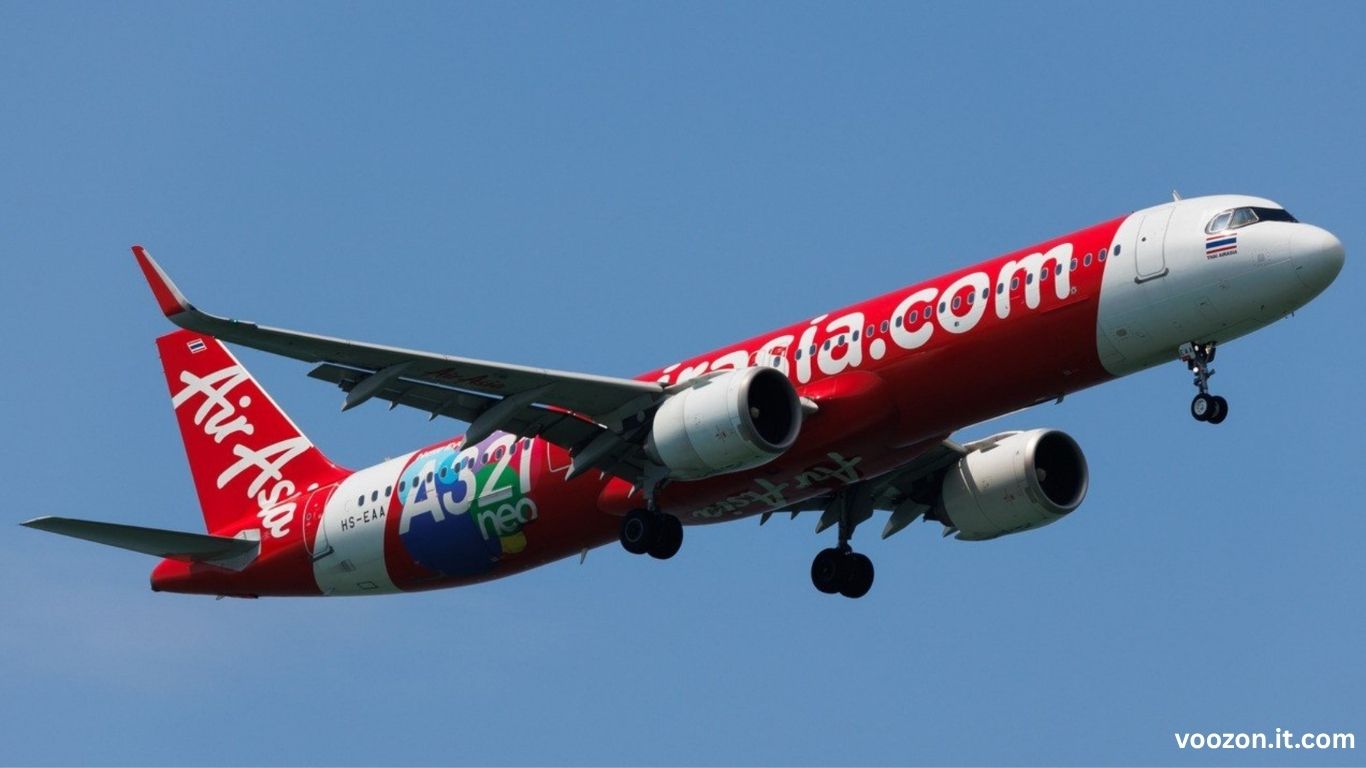
Global aviation industry is facing one of its most severe disruptions in recent years as airlines begin canceling flights due to jet fuel shortages and skyrocketing costs. The ongoing conflict involving Iran has not only shaken geopolitical stability but has also sent shockwaves through global energy markets, creating a ripple effect that is now deeply impacting air travel worldwide.
What began as a regional conflict has rapidly escalated into a global economic issue, with aviation emerging as one of the hardest-hit sectors. Airlines across continents are grappling with rising operational costs, limited fuel availability, and logistical complications, forcing them to reduce flight schedules, cancel routes, and pass on increased costs to passengers.
The Root Cause: War Disrupts Fuel Supply Chains
At the center of the crisis lies the disruption of global oil supply chains. The conflict in the Middle East has affected critical النفط (oil) transit routes, particularly around the Strait of Hormuz, a vital artery for global energy transportation. As tensions escalated, oil shipments were delayed, rerouted, or halted entirely, creating immediate supply shortages.
This disruption has had a direct impact on jet fuel availability. Unlike crude oil, jet fuel requires refining, and the war has constrained refinery output in key regions. According to industry reports, oil prices surged past $100 per barrel shortly after the conflict intensified, while jet fuel prices nearly doubled within weeks.
The aviation industry, which depends heavily on a stable and continuous supply of fuel, suddenly found itself in a vulnerable position. Airlines that had not secured long-term fuel contracts or hedging arrangements were especially exposed to the sudden spike in prices.
Soaring Jet Fuel Prices Create Financial Pressure
Jet fuel is one of the largest expenses for airlines, often accounting for 20% to 40% of total operating costs. When prices rise sharply, the financial impact is immediate and severe. Since the onset of the Iran conflict, jet fuel prices have surged dramatically, with some estimates suggesting increases of up to 50% or more in a matter of weeks.
This surge has forced airlines to make difficult decisions. Many carriers are cutting less profitable routes, reducing flight frequencies, or suspending services altogether. For example, several airlines have already announced plans to reduce their capacity by around 5%, while others have canceled thousands of flights to manage fuel consumption and operational costs.
Airlines operating in Asia and regions heavily dependent on Middle Eastern fuel supplies are among the hardest hit. Countries such as Pakistan, Vietnam, and Myanmar have experienced significant disruptions as fuel imports declined and costs increased.
Flight Cancellations and Route Reductions
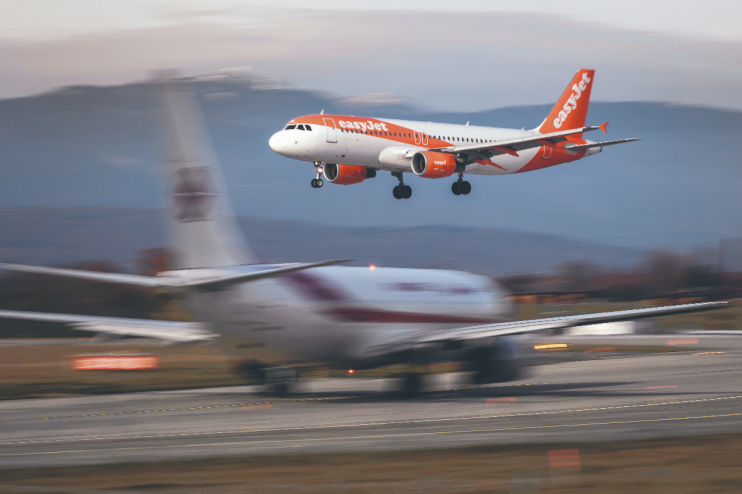
The most visible impact of the crisis has been the growing number of flight cancellations. Airlines are prioritizing essential and high-demand routes while suspending less profitable or fuel-intensive services.
In some cases, entire routes have been temporarily shut down. For instance, Vietnam Airlines canceled dozens of weekly flights across multiple domestic and regional routes due to fuel shortages. Meanwhile, Indian carriers have canceled more than 10,000 flights to West Asia since the conflict began, reflecting the scale of disruption in key travel corridors.
Additionally, airlines are adjusting their flight paths to avoid conflict zones, which often results in longer routes. These detours increase fuel consumption, further compounding the problem and forcing airlines to reduce overall flight operations.
Rising Airfares and Additional Charges
As airlines struggle to absorb higher fuel costs, passengers are increasingly bearing the financial burden. Ticket prices have risen significantly on many routes, particularly those affected by rerouting or reduced capacity.
Airlines have also introduced or increased fuel surcharges to offset rising expenses. For example, some carriers have revised their pricing structures, adding distance-based surcharges on both domestic and international flights. Others have increased baggage fees and ancillary charges as part of broader cost-recovery strategies.
The result is a noticeable increase in the overall cost of air travel. Industry experts warn that these higher prices could persist for months, even if the geopolitical situation stabilizes.
A Global “Perfect Storm” for Aviation
The current crisis is often described as a “perfect storm” for the aviation industry. It combines multiple challenges, including fuel shortages, rising prices, restricted airspace, and shifting travel demand.
Airspace closures in parts of the Middle East have forced airlines to reroute flights, increasing travel time and fuel consumption. At the same time, demand for alternative routes has surged, leading to higher ticket prices and increased competition for limited capacity.
Airlines are also dealing with reduced fuel exports from key suppliers. Countries such as China and Thailand have paused or limited refined fuel exports, further tightening global supply.
These overlapping factors have created a situation where airlines must constantly adapt their operations, often with little notice, to manage costs and maintain service.
Industry Response and Adaptation Strategies
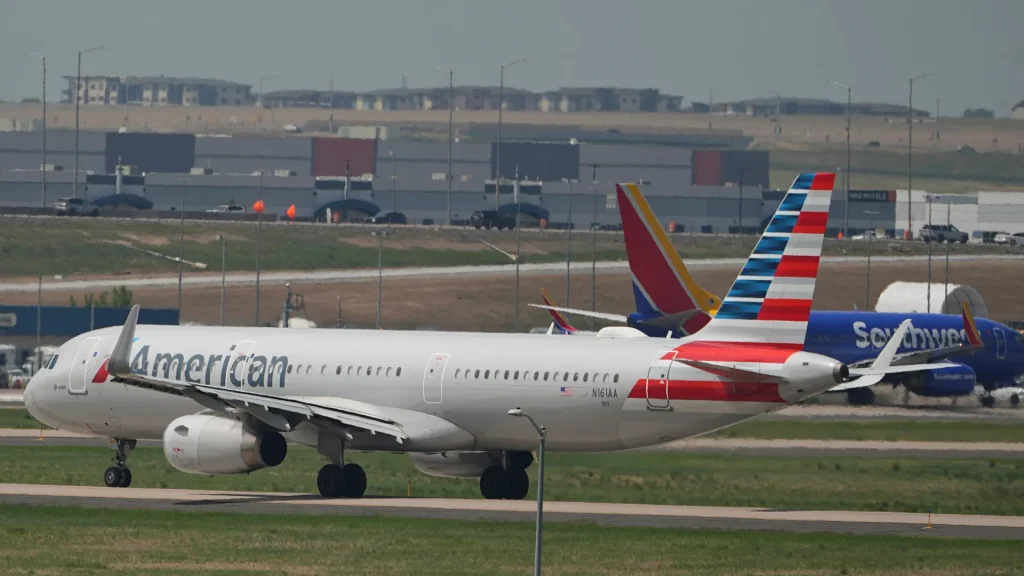
To navigate the crisis, airlines are employing a range of strategies:
Fuel Hedging: Some airlines have locked in fuel prices through hedging contracts, providing partial protection against price spikes.
Capacity Reduction: Carriers are reducing flight schedules and canceling underperforming routes.
Operational Efficiency: Airlines are optimizing aircraft usage and improving fuel efficiency wherever possible.
Cost Pass-Through: Increased ticket prices, surcharges, and fees are being used to offset rising costs.
In addition, airlines are carrying extra fuel on certain routes or adding refueling stops to ensure operational continuity amid uncertain supply conditions.
Long-Term Impact on Global Aviation
Even if the conflict de-escalates, the aviation industry may take months to recover. Experts suggest that restoring fuel supply chains and stabilizing prices will require time, as refineries resume operations and global trade flows normalize.
The crisis has also highlighted structural vulnerabilities within the aviation sector. Heavy reliance on specific geographic regions for fuel supply has exposed airlines to geopolitical risks, prompting calls for greater diversification and resilience in supply chains.
In the long term, this situation could accelerate efforts to develop alternative fuels, improve energy efficiency, and reduce dependence on traditional النفط sources.
Impact on Travelers
For passengers, the effects of the crisis are already being felt:
- Increased ticket prices
- Reduced flight options
- Longer travel times due to rerouting
- Higher fees and surcharges
Travelers are advised to plan ahead, remain flexible with travel dates, and monitor airline updates closely, as schedules may change with little notice.
Faqs
Why are airlines canceling flights due to the Iran war?
Airlines are canceling flights mainly because the conflict has disrupted global oil supply chains, causing jet fuel shortages and sharp price increases. This makes it difficult for airlines to operate flights profitably and consistently.
How has the Iran war affected jet fuel prices?
The war has led to instability in the Middle East, a key oil-producing region. As a result, crude oil and jet fuel prices have surged significantly, in some cases rising by 50% or more within a short period.
Will air ticket prices continue to rise?
Yes, ticket prices are likely to remain high or even increase further. Airlines are passing on higher fuel costs to passengers through increased fares, fuel surcharges, and additional fees.
Which regions are most affected by flight cancellations?
Regions that rely heavily on Middle Eastern fuel supplies, such as Asia and parts of Europe, are most affected. Flights to and from West Asia have seen significant cancellations and delays.
How long will the airline fuel crisis last?
The duration of the crisis depends on how quickly the geopolitical situation stabilizes. Even after the conflict eases, it may take several months for fuel supply chains and prices to return to normal.
Conclusion
Iran war has triggered a cascading crisis in the global aviation industry, driven by jet fuel shortages and rapidly rising costs. Airlines are canceling flights reducing capacity, and increasing prices in response to unprecedented challenges. While the situation remains fluid, one thing is clear: the impact of this crisis will be felt for months to come. As airlines adapt and global supply chains recover, the industry faces a critical test of resilience in an increasingly uncertain world.
