

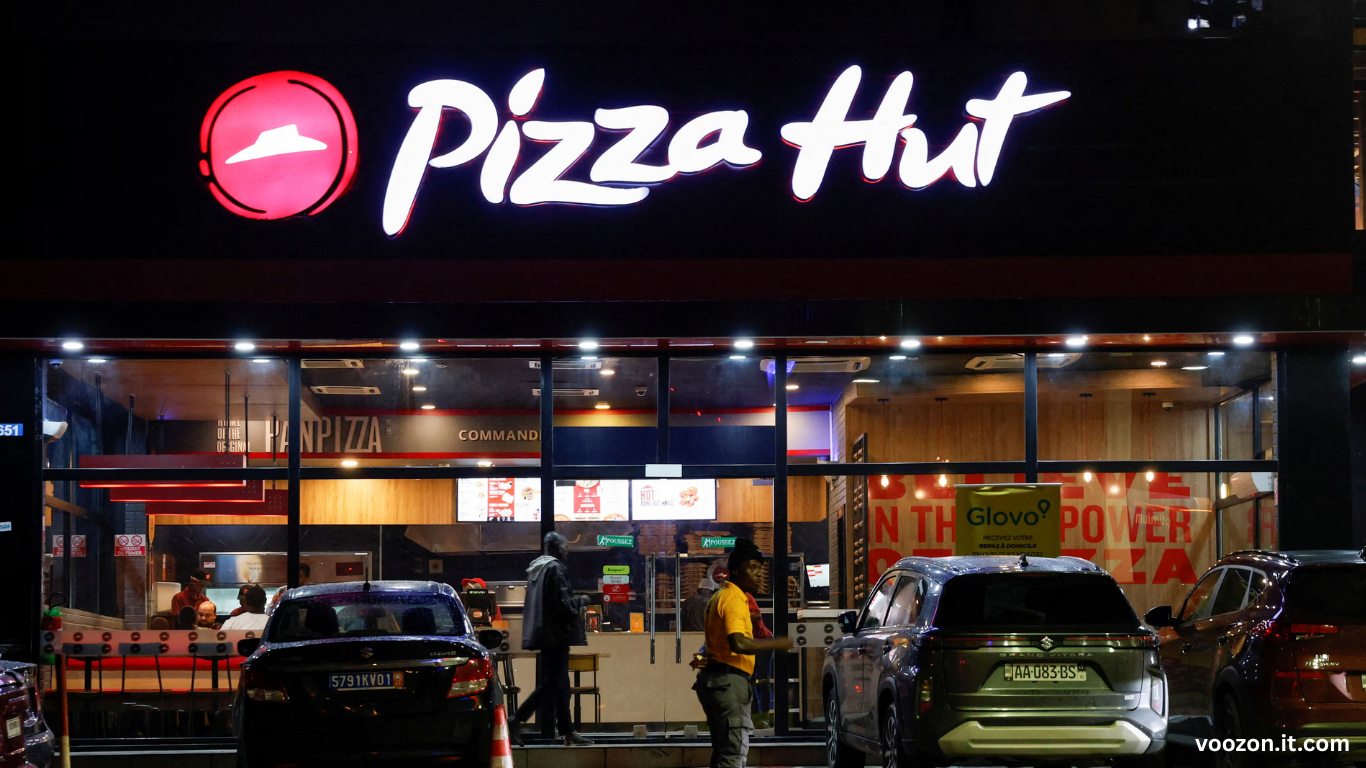
Recognizable pizza brands is entering a new chapter. Pizza Hut, a company that has served millions of customers across the globe for decades, is set to change ownership following a $1.5 billion acquisition by private equity firm LongRange. The deal marks a significant moment for the restaurant industry and raises important questions about the future direction of the iconic pizza chain.
The acquisition comes at a time when the fast-food and quick-service restaurant industry is undergoing rapid transformation. Consumer preferences are shifting, technology is changing the way food is ordered and delivered, and competition among major pizza brands is fiercer than ever.
The Details of the Acquisition
Private equity firm LongRange has agreed to acquire Pizza Hut in a deal valued at approximately $1.5 billion. The transaction represents one of the most notable restaurant acquisitions of the year and underscores the continued value of globally recognized food-service brands.
While the financial terms have attracted significant attention, industry experts believe the real story lies in LongRange’s strategic vision for the company. The private equity firm is expected to focus on operational improvements, technological innovation, and international expansion opportunities.
The acquisition includes Pizza Hut’s brand assets, franchise relationships, operational infrastructure, and growth initiatives. Regulatory approvals and customary closing conditions are expected to be completed before the deal is finalized.
Read more: May Hedge Fund Returns: Steve Cohen’s Point72 Leads the Way Among the Industry’s Biggest Names
Why LongRange Is Interested in Pizza Hut
Pizza Hut remains one of the largest pizza restaurant chains in the world. Despite facing strong competition from rivals such as Domino’s and Papa Johns, the company continues to maintain a substantial global presence.
Several factors likely influenced LongRange’s decision to pursue the acquisition:
1. Strong Brand Recognition
Pizza Hut is one of the most recognized restaurant brands globally. For decades, consumers have associated the company with pizza, family dining, and convenient takeout services. This brand equity provides a strong foundation for future growth.
2. Extensive Global Network
The chain operates thousands of restaurants across multiple countries. Such a widespread footprint creates opportunities for expansion while providing stable revenue streams.
3. Growing Delivery Market
The food delivery industry has experienced tremendous growth over the last decade. Pizza remains one of the most popular delivery food categories, making Pizza Hut an attractive investment.
4. Digital Growth Opportunities
Technology has become a major driver of restaurant success. Online ordering, mobile applications, loyalty programs, and data analytics can significantly improve customer engagement and profitability.
LongRange likely sees substantial opportunities to modernize Pizza Hut’s digital ecosystem and enhance customer experiences.
The Evolution of Pizza Hut
Founded in 1958 by brothers Dan and Frank Carney in Wichita, Kansas, Pizza Hut grew from a small local restaurant into an international fast-food giant.
Throughout its history, Pizza Hut introduced numerous innovations that helped shape the pizza industry. From dine-in restaurants and delivery services to online ordering systems, the company consistently adapted to changing consumer behaviors.
During the 1980s and 1990s, Pizza Hut dominated the pizza market in many regions. Its distinctive red-roof restaurants became iconic landmarks, and its marketing campaigns helped establish the brand as a household name.
However, the company has also faced challenges over the years. Increased competition, changing consumer preferences, and rising operational costs have pressured growth. The new ownership could provide the resources and strategic direction needed to address these challenges.
The Role of Private Equity in Restaurant Businesses
Private equity firms have become increasingly active in the restaurant sector. These firms typically acquire businesses with the goal of improving operations, increasing profitability, and eventually generating returns through growth or future sales.
Restaurant chains often attract private equity investors because they offer:
- Established customer bases
- Recognizable brands
- Predictable cash flows
- Expansion opportunities
- Franchising potential
LongRange’s acquisition of Pizza Hut reflects a broader trend in which investors seek established brands capable of benefiting from modernization and operational improvements.
Potential Changes Under New Ownership
Whenever a major restaurant chain changes ownership, customers naturally wonder what changes might follow. While LongRange has not publicly announced a comprehensive transformation plan, several possibilities are likely.
Enhanced Digital Experience
Customers increasingly expect seamless online ordering and delivery experiences. LongRange may invest heavily in:
- Mobile applications
- Website improvements
- Loyalty programs
- Artificial intelligence tools
- Personalized marketing campaigns
These investments could help Pizza Hut compete more effectively in the digital marketplace.
Restaurant Modernization
Many older Pizza Hut locations could benefit from renovations and updated designs. Modern restaurant layouts often emphasize convenience, pickup services, and delivery operations.
The company may also experiment with smaller-format stores designed specifically for takeout and delivery.
Menu Innovation
Consumer tastes continue to evolve. New ownership may encourage menu experimentation, including:
- Health-conscious options
- Premium ingredients
- Regional specialties
- Limited-time offers
- Plant-based alternatives
Menu innovation can help attract younger consumers while retaining loyal customers.
Operational Efficiency
Private equity firms often focus on improving operational performance. This may involve:
- Supply chain optimization
- Technology upgrades
- Cost management initiatives
- Franchise support programs
Improved efficiency can enhance profitability while maintaining product quality.
Impact on Franchise Owners
Franchisees play a critical role in Pizza Hut’s success. Thousands of independently operated restaurants rely on the brand’s reputation and corporate support.
For franchise owners, the acquisition could bring both opportunities and challenges.
Potential benefits include:
- Increased marketing investment
- Better technology platforms
- Enhanced operational support
- Improved customer engagement tools
However, franchisees may also face adjustments as new ownership introduces updated strategies and performance expectations.
Most industry analysts believe LongRange will prioritize collaboration with franchise operators, recognizing their importance to the chain’s long-term growth.
What This Means for Employees
Pizza Hut employs thousands of workers worldwide, including restaurant staff, managers, corporate employees, and support teams.
Whenever ownership changes occur, employees often worry about job security and organizational restructuring. While some operational adjustments may occur, successful restaurant growth typically requires a motivated and stable workforce.
If LongRange succeeds in expanding the business, employees could benefit from:
- Career advancement opportunities
- New training programs
- Technology-driven workplace improvements
- Expanded restaurant development
The extent of these benefits will depend on the firm’s long-term strategy and investment approach.
Competitive Landscape
The pizza industry remains highly competitive. Major rivals continue investing heavily in technology, delivery systems, and customer acquisition.
Competitors include:
- Domino’s
- Papa John’s
- Little Caesars
- Regional pizza chains
- Independent pizzerias
Domino’s in particular has gained market share through its focus on digital innovation and delivery efficiency. Pizza Hut’s new ownership may seek to narrow this competitive gap through targeted investments.
Industry experts believe technological innovation will remain one of the most important battlegrounds in the pizza sector over the coming years.
Investor Perspective
From an investment standpoint, the acquisition demonstrates confidence in the restaurant industry despite economic uncertainties.
Several trends support the investment thesis:
- Continued demand for convenience foods
- Strong delivery market growth
- Global restaurant expansion opportunities
- Increasing use of technology in food service
LongRange appears to believe that Pizza Hut’s brand strength and global presence create a compelling platform for long-term value creation.
If successful, the firm could significantly enhance the company’s performance while increasing its market position.
The Future of Pizza Hut
The acquisition represents more than a simple ownership transfer. It could serve as the beginning of a broader transformation for one of the world’s most famous pizza chains.
Consumers increasingly expect convenience, speed, personalization, and quality. Meeting these expectations will require ongoing investment and innovation.
LongRange’s challenge will be balancing modernization efforts with the brand traditions that have made Pizza Hut successful for generations. Preserving customer loyalty while attracting new audiences will be critical.
The company’s extensive global footprint provides substantial opportunities for growth, particularly in emerging markets where demand for international restaurant brands continues to rise.
Conclusion
Pizza Hut’s $1.5 billion acquisition by private equity firm LongRange marks a significant milestone in the restaurant industry. The deal reflects confidence in the enduring strength of the Pizza Hut brand and its potential for future growth. As consumer preferences evolve and competition intensifies, new ownership could bring fresh investment, technological innovation, operational improvements, and expansion opportunities.
