

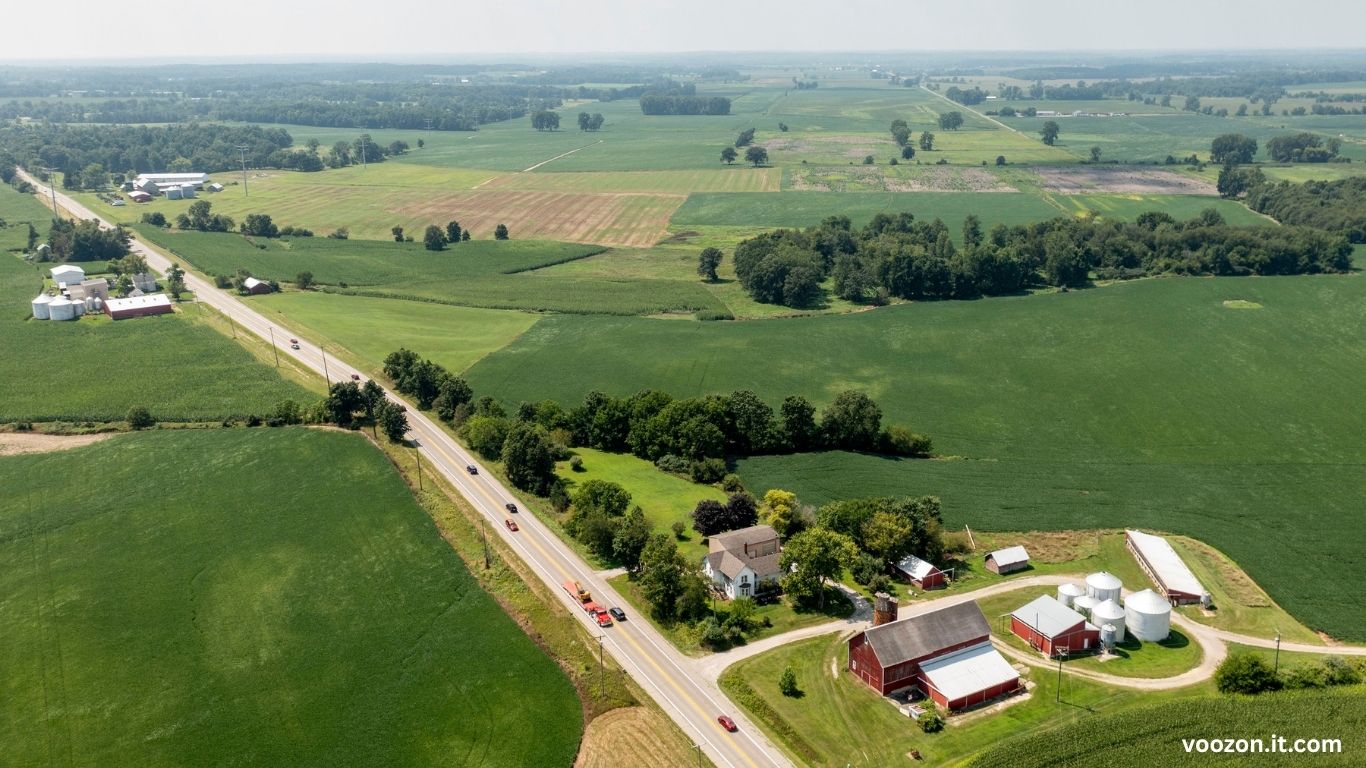
Oracle is making one of its boldest infrastructure investments yet, with plans to build a massive new data center campus in rural Michigan. Backed by an impressive $16 billion in funding, the project represents a major milestone not only for Oracle but also for the future of cloud computing, artificial intelligence, and economic development in the American Midwest.
The proposed facility is expected to become one of the largest data center developments in the United States. It reflects the growing demand for high-performance computing infrastructure as businesses, governments, and consumers increasingly rely on cloud services, AI applications, and data-intensive technologies. For Michigan, the project could transform a rural area into a strategic hub for digital infrastructure and innovation.
Oracle’s Expanding Cloud Ambitions
Oracle has been aggressively expanding its cloud business in recent years. While the company has long been known for its enterprise software and database solutions, it is now investing heavily in cloud infrastructure to compete with major industry players such as Amazon Web Services, Microsoft Azure, and Google Cloud.
The Michigan project underscores Oracle’s determination to strengthen its position in this highly competitive market. By building a state-of-the-art data center campus, Oracle aims to provide customers with greater capacity, lower latency, and enhanced reliability. The facility will support Oracle Cloud Infrastructure (OCI), which has become a key growth engine for the company.
Demand for OCI has surged as organizations seek secure, scalable, and cost-effective cloud solutions. The rise of artificial intelligence, machine learning, and advanced analytics has further accelerated the need for powerful computing resources. Oracle’s investment in Michigan is a direct response to this growing demand.
Read more: JPMorgan Executive Signals Confidence in $50 Billion Private Credit Exposure
Why Michigan?
Michigan may not be the first state that comes to mind when thinking about major technology investments, but it offers several strategic advantages. The state’s central location provides excellent connectivity to major markets across the Midwest and beyond. Its established transportation infrastructure, access to power resources, and availability of land make it an attractive destination for large-scale data center development.
Rural Michigan, in particular, offers ample space for a sprawling campus while avoiding the high land and operational costs associated with major metropolitan areas. Additionally, cooler regional temperatures can help reduce energy consumption for cooling systems, improving operational efficiency and sustainability.
The project also aligns with Michigan’s broader efforts to diversify its economy. Historically known for automotive manufacturing, the state has been actively pursuing investments in technology, clean energy, and advanced manufacturing. Oracle’s decision could further solidify Michigan’s emergence as a growing technology destination.
Economic Impact on the Region
The economic implications of this development are substantial. During the construction phase, the project is expected to create thousands of temporary jobs across a wide range of industries, including construction, engineering, logistics, and project management.
Once operational, the data center campus will generate hundreds of permanent positions in areas such as IT operations, cybersecurity, facilities management, network engineering, and administrative support. These roles are likely to offer competitive salaries and long-term career opportunities for local residents.
Beyond direct employment, the project is expected to stimulate significant secondary economic activity. Local businesses, including restaurants, hotels, transportation providers, and service companies, stand to benefit from increased demand. The influx of workers, contractors, and suppliers could revitalize nearby communities and attract additional investment.
Property tax revenues and other economic contributions may also provide a significant boost to local governments, helping fund public services, infrastructure improvements, and community development initiatives.
Supporting the AI Revolution
One of the primary drivers behind Oracle’s investment is the explosive growth of artificial intelligence. AI workloads require enormous amounts of computing power, data storage, and network capacity. Modern AI models, particularly large language models and generative AI systems, demand specialized infrastructure capable of handling complex calculations at scale.
Oracle has positioned itself as a leading provider of AI-ready cloud infrastructure. The Michigan data center is expected to support advanced AI applications for enterprise customers across industries such as healthcare, finance, manufacturing, retail, and government.
By expanding its infrastructure footprint, Oracle can better serve organizations developing and deploying AI solutions. This will be especially important as businesses increasingly integrate AI into their operations to improve efficiency, enhance customer experiences, and unlock new opportunities.
Sustainability and Energy Considerations
Large data centers consume significant amounts of electricity, making sustainability a critical consideration. Oracle has committed to reducing its environmental impact through energy-efficient design, renewable energy sourcing, and innovative cooling technologies.
The Michigan facility is expected to incorporate advanced sustainability features, including efficient power management systems, water conservation measures, and potentially on-site renewable energy integration. These efforts align with Oracle’s broader environmental goals and growing customer demand for greener cloud services.
Energy availability will be a key factor in the project’s long-term success. Data centers require stable, reliable power supplies, and Oracle will likely work closely with regional utilities to ensure sufficient capacity while supporting grid modernization and renewable energy expansion.
Strengthening America’s Digital Infrastructure
The Oracle project highlights the increasing importance of domestic digital infrastructure. As data sovereignty, cybersecurity, and resilience become top priorities, companies are investing heavily in U.S.-based facilities.
A large-scale data center in Michigan will enhance Oracle’s ability to serve North American customers while providing greater redundancy and geographic diversity. This can improve service reliability, disaster recovery capabilities, and compliance with regulatory requirements.
The investment also supports broader national goals related to technological leadership, economic competitiveness, and digital security. Robust domestic infrastructure is essential for supporting innovation in AI, cloud computing, and next-generation technologies.
Competitive Implications
Oracle’s $16 billion commitment signals its intent to remain a formidable competitor in the cloud computing market. While Amazon, Microsoft, and Google continue to dominate the sector, Oracle has carved out a strong niche by focusing on enterprise workloads, database services, and high-performance computing.
The Michigan campus could significantly expand Oracle’s capacity, enabling it to win larger contracts and support more demanding workloads. It may also help attract customers seeking alternatives to the largest hyperscale cloud providers.
As AI adoption accelerates, access to scalable, specialized infrastructure will become an increasingly important competitive advantage. Oracle’s investment positions the company to capitalize on this trend.
Community Opportunities and Challenges
While the project promises significant economic benefits, it may also present challenges for local communities. Rapid development can place pressure on housing, transportation, utilities, and public services. Careful planning and collaboration will be essential to ensure sustainable growth.
Community engagement will play a vital role in the project’s success. Local leaders, residents, and stakeholders will likely seek assurances regarding environmental impact, land use, water resources, and long-term community benefits.
If managed effectively, the development could serve as a model for how large-scale technology investments can coexist with rural communities while delivering lasting economic and social value.
A Transformational Investment
Oracle’s planned Michigan data center represents far more than a real estate project. It is a strategic investment in the future of cloud computing, artificial intelligence, and digital transformation.
With $16 billion in funding secured, Oracle is demonstrating confidence in the continued growth of data-driven technologies. The project has the potential to reshape Michigan’s economic landscape, create thousands of jobs, and strengthen America’s digital infrastructure.
For Oracle, it marks another major step in its evolution from a traditional software giant to a leading global cloud and AI infrastructure provider. For Michigan, it offers a rare opportunity to become a critical player in the digital economy.
As construction plans move forward, the industry will be watching closely. This ambitious project could become one of the defining technology infrastructure developments of the decade, setting new standards for scale, innovation, and economic impact.
Frequently Asked Questions
Why is Oracle investing so heavily in a new data center in Michigan?
Oracle is expanding its cloud computing and artificial intelligence infrastructure to meet soaring global demand. The Michigan facility will provide the massive computing power needed for AI training, data storage, and enterprise cloud services.
How much funding has been secured for the project?
The project has secured approximately $16 billion in financing. This substantial investment comes from major institutional investors, including Blackstone and PIMCO, demonstrating strong confidence in the future of AI infrastructure.
What economic benefits will the Michigan data center bring?
The development is expected to create thousands of construction jobs, hundreds of permanent positions, and generate significant tax revenue. It will also stimulate local businesses and support broader economic growth in the region.
What role will this data center play in artificial intelligence?
The facility will serve as a critical hub for AI operations, supporting the training of large language models, machine learning applications, and other advanced computing workloads essential to Oracle’s cloud and AI services.
Are there any environmental concerns associated with the project?
Yes, large-scale data centers consume significant amounts of electricity and water. Oracle will need to address sustainability challenges by implementing energy-efficient technologies, renewable energy solutions, and responsible water management practices.
Conclusion
Oracle’s $16 billion data center project in rural Michigan is far more than a major real estate development—it is a powerful symbol of the accelerating artificial intelligence revolution. Designed to support Oracle’s rapidly expanding cloud and AI operations, the Saline Township campus will become one of the largest data center facilities in the United States, reinforcing America’s leadership in next-generation digital infrastructure. Backed by major financial institutions including Blackstone and PIMCO, the project highlights the enormous investor confidence in AI-driven infrastructure.
