

For years, I thought I was failing at life. Not in the conventional sense—my career was on track, my relationships were intact, and I had accomplished milestones I had once dreamed of. But something insidious was holding me back. Night after night, I woke up exhausted, groggy, and frustrated. I didn’t realize it at the time, but my struggle wasn’t about discipline, willpower, or laziness—it was about my sleep.
I was eventually diagnosed with obstructive sleep apnea, a condition where your airway collapses or becomes blocked during sleep, causing frequent pauses in breathing. The solution? A CPAP machine—a Continuous Positive Airway Pressure device. I remember feeling a wave of shame when the doctor recommended it. I thought needing a machine to sleep was a personal failure, a sign that my body had let me down. But that perspective was entirely wrong.
Awareness the Stigma
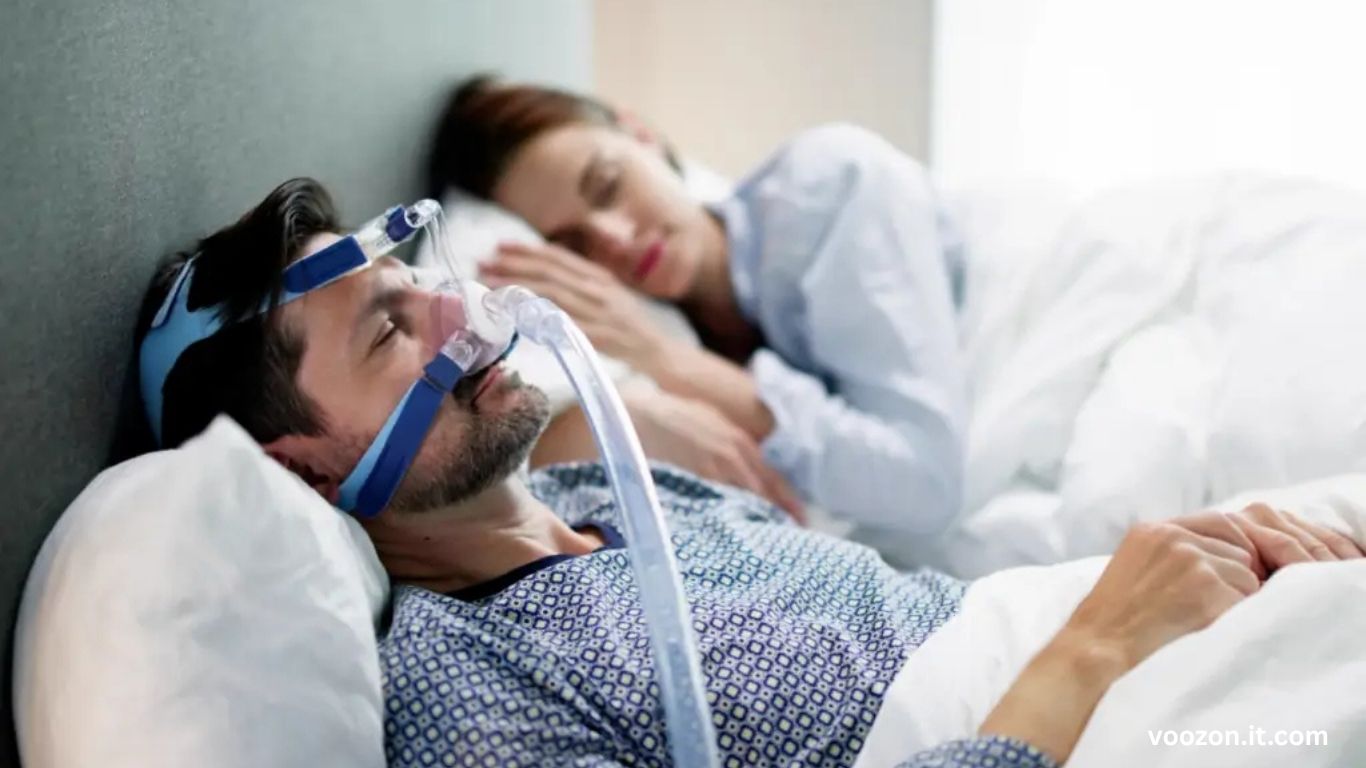
Society often associates medical devices with weakness. Glasses are fine. Hearing aids are acceptable. But a CPAP machine? That felt like something only “really sick” people needed. My first nights with the machine were awkward. The mask pressed against my face, the gentle hum of the machine filled my bedroom, and the tubing made me feel like I was sleeping inside a science experiment.
I was embarrassed. I avoided telling friends, family, even my partner at first. I worried they would judge me or see me differently. I imagined them thinking, “He can’t even breathe right while he sleeps?”
But the truth is, needing a CPAP machine doesn’t mean you’ve failed. Sleep apnea is a medical condition—just like diabetes or high blood pressure. And seeking treatment is a sign of responsibility, not weakness.
The Turning Point
After a few nights of awkwardness, something remarkable happened: I woke up feeling… rested. Really rested. For the first time in years, my mind was clear, my body energized, and my mood stable. The fog that had followed me through meetings, workouts, and social gatherings lifted. My relationships improved because I wasn’t irritable from exhaustion. My productivity skyrocketed because my brain could focus without the constant pull of fatigue.
It was more than just feeling better. It was a wake-up call. I realized that this small machine—a mask, a tube, and a gentle flow of air—was giving me back control over my life. It wasn’t a crutch; it was a tool for thriving.
The Science Behind CPAP
CPAP machines work by providing a steady stream of air through a mask, which keeps the airway open during sleep. This prevents the repeated awakenings and drops in oxygen levels that characterize sleep apnea. Studies show that untreated sleep apnea increases the risk of high blood pressure, heart disease, stroke, and even diabetes. In contrast, CPAP therapy improves cardiovascular health, cognitive function, and overall quality of life.
Understanding this science helped me reframe my perspective. I wasn’t “cheating” or “failing.” I was investing in my health, my longevity, and my mental clarity.
Overcoming the Challenges
Adjusting to CPAP therapy isn’t always seamless. Many people, including myself, struggle with mask discomfort, dry nose, or feeling confined. I won’t sugarcoat it: the first few weeks can be challenging. But these hurdles are manageable.
Here’s what helped me:
Finding the Right Mask – CPAP masks come in different styles: nasal pillows, full-face, and nasal masks. Trying different options helped me find one that was comfortable and didn’t leak air.
Humidification – A built-in humidifier prevented dry throat and nasal irritation.
Routine and Habit – Using the machine every night, even for short naps, helped my body adjust faster.
Patience and Self-Compassion – Reminding myself that I was investing in my health, and that adjustment takes time, was crucial.
Over time, what once felt awkward became routine. The machine became an extension of me—a silent partner in my journey toward better sleep and better life.
Telling My Story
Once I fully embraced CPAP therapy, I started sharing my experience. At first, I told close friends and family. Then, colleagues. Each conversation revealed something surprising: most people didn’t judge; they were curious, supportive, and even relieved that someone was open about sleep issues.
The more I talked, the more I realized how common sleep apnea is. Millions of people struggle with it unknowingly. And by sharing my story, I could normalize the conversation around sleep health. I could tell people: “You don’t have to feel ashamed. This is about taking care of yourself.”
The Benefits Beyond Sleep
The impact of using a CPAP machine went far beyond better nights. My energy levels increased, and I started exercising more consistently. I became more present in conversations, less irritable in stressful situations, and more focused at work.
Interestingly, mental health improved too. Sleep deprivation had masked underlying anxiety and frustration. Once I was consistently rested, I felt calmer, more resilient, and happier. CPAP therapy didn’t just restore my sleep—it restored my quality of life.
Breaking the Stigma
I now tell everyone who will listen how much better I sleep. I talk about the mask, the hum of the machine, and the simple joy of waking up without dragging myself through the day. By owning my story, I’ve helped others feel less embarrassed about seeking help. I’ve seen friends schedule sleep studies, partners support their loved ones in using CPAP, and even colleagues prioritize their own health.
The lesson is clear: needing a CPAP machine is not failure. It’s strength, courage, and self-care rolled into one.
Encouraging Others
If you suspect sleep apnea—or have been diagnosed and hesitate to use CPAP—know this: you are not alone. Millions of people have gone through what you’re feeling, and the benefits are life-changing.
Here’s my advice:
Prioritize your health: Sleep is foundational. Treating sleep apnea is an investment in every aspect of your life. Give yourself time to adjust: The first week may be awkward, but persistence pays off.
Seek support: Talk to friends, family, or support groups. Sharing your journey makes it easier.
Celebrate progress: Every night of restful sleep is a win.
Frequently Asked Questions
What is a CPAP machine, and how does it work?
A CPAP (Continuous Positive Airway Pressure) machine delivers a steady stream of air through a mask while you sleep, keeping your airway open to prevent pauses in breathing caused by sleep apnea.
Do I need to feel “sick” to use a CPAP machine?
No. Needing a CPAP machine doesn’t mean you’re weak or ill. Sleep apnea is a common medical condition, and CPAP therapy is a treatment to improve your health and quality of life.
How long does it take to adjust to using a CPAP machine?
Adjustment varies per person, but most people adapt within a few weeks. Choosing the right mask, using a humidifier, and maintaining a consistent routine can make the transition easier.
What are the benefits of using a CPAP machine?
Benefits include better sleep, increased energy, improved focus, mood stability, reduced risk of heart problems, and overall better quality of life.
Can talking about my CPAP use help others?
Yes! Sharing your experience normalizes the conversation about sleep health, encourages others to seek treatment, and helps reduce stigma associated with sleep apnea.
Conclusion
Wrong I was about CPAP therapy. What I once saw as a mark of weakness turned out to be a gateway to strength, vitality, and a newfound appreciation for rest. I no longer hide my CPAP machine. I celebrate it. I tell everyone how great I sleep, how energetic I feel, and how much life has improved since I embraced this simple yet transformative device.
